WWF Plastic ACTion (PACT)

Industry plays a crucial role in the global production and use of plastics and thereby is a key player in the effort to reduce plastic pollution. TARGET USERS: Businesses, Industry, Government KEY CONSIDERATIONS: Business-led initiatives have long differentiated leaders in an industry, and can often lead to new industry standards and benchmarks that raise the bar for […]
WasteAware Benchmark Indicators
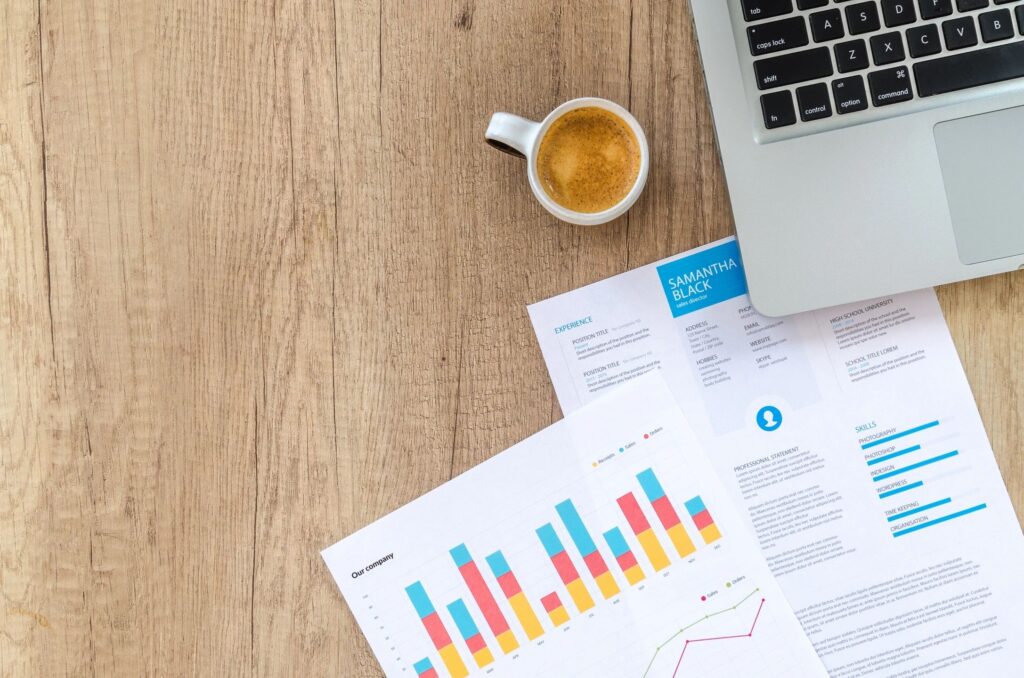
WasteAware Benchmark Indicators (WABI) consists of an indicator set that assesses waste management performance within cities, allowing for benchmarking of cities and monitoring developments over time. TARGET USERS: Businesses, Industry, Government KEY CONSIDERATIONS: Using a standardized indicator set allows benchmarking against the performance of similar cities, within a country or in different countries, on a consistent basis […]
Waste Flow Tools
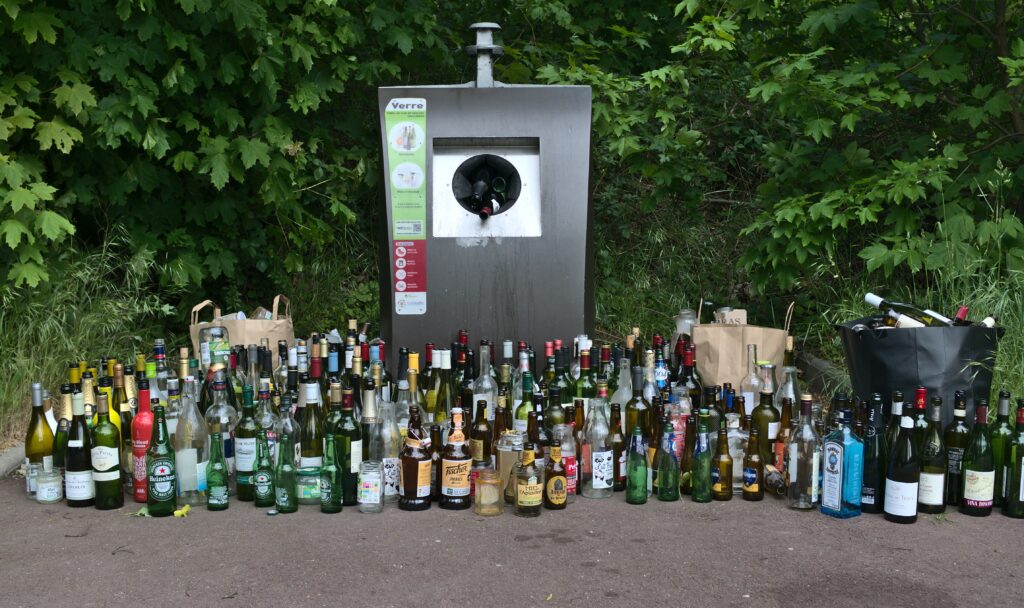
Waste flow tools offer cities the analytical guidance they need to create, manage and sustain effective solid waste management systems in response to growing urban populations. TARGET USERS: Individuals, Government KEY CONSIDERATIONS: Analysing waste flow helps cities establish priorities for plastic action. MORE INFORMATION: See the Plastic Smart Cities Smart Guide on Baseline Assessments. THE PROBLEM Solid waste management is one of […]
The Great Bubble Barrier

The Great Bubble Barrier® intercepts plastic waste before it reaches our oceans by implementing Bubble Barriers that direct waste to the side of the river in its catchment system. TARGET USERS: Government KEY CONSIDERATIONS: The first Bubble Barrier was installed in Amsterdam in November 2019. Beforehand, a pilot was conducted to test the Bubble Barrier’s efficiency and showed that […]
Sweepsmart
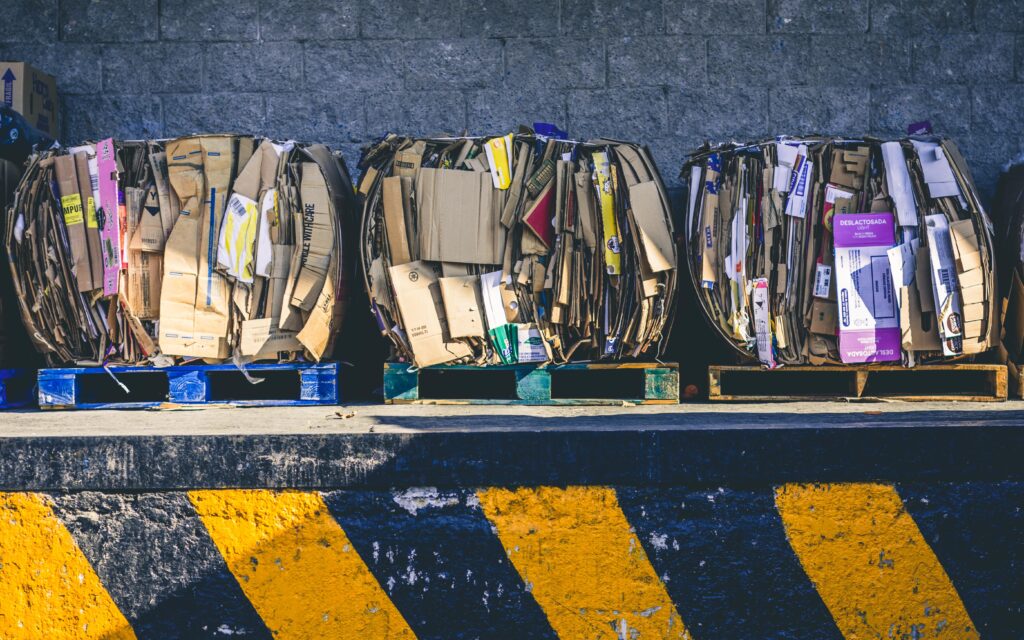
Sweepsmart is an end-to-end segregated waste management system for emerging and developing countries. TARGET USERS: Businesses, Industry, Government KEY CONSIDERATIONS: Tailored solutions for developing countries, with consideration for the specific waste challenges found in these countries. MORE INFORMATION: https://www.sweepsmart.org/ THE PROBLEM In countries like India and Indonesia, most waste is openly burnt or dumped, polluting streets, rivers, nature and our […]
Waste Collection Digitalisation

Smart sensors in waste bins can optimize the process of waste collection, thereby increasing collection rates and reducing downstream waste management costs. TARGET USERS: Businesses, Industry, Government KEY CONSIDERATIONS: Smart sensors can be incorporated with fleet management and intelligent routing software for a comprehensive waste collection process. MORE INFORMATION: Publication, “Smart garbage monitoring system using sensors” THE PROBLEM 90% of […]
Single-use Plastic Levy

Single-use plastic levies place taxes on items like plastic bags, bottles and food packaging to deter their use. TARGET USERS: Individuals, Businesses, Government KEY CONSIDERATIONS: Price modulation that adjusts cost modelling by businesses or consumers seek to shift usage patterns. MORE INFORMATION: See UNEP Report, page 65 THE PROBLEM Single-use plastic products (SUPs) are used once, or for a short period of […]
Shoreliner
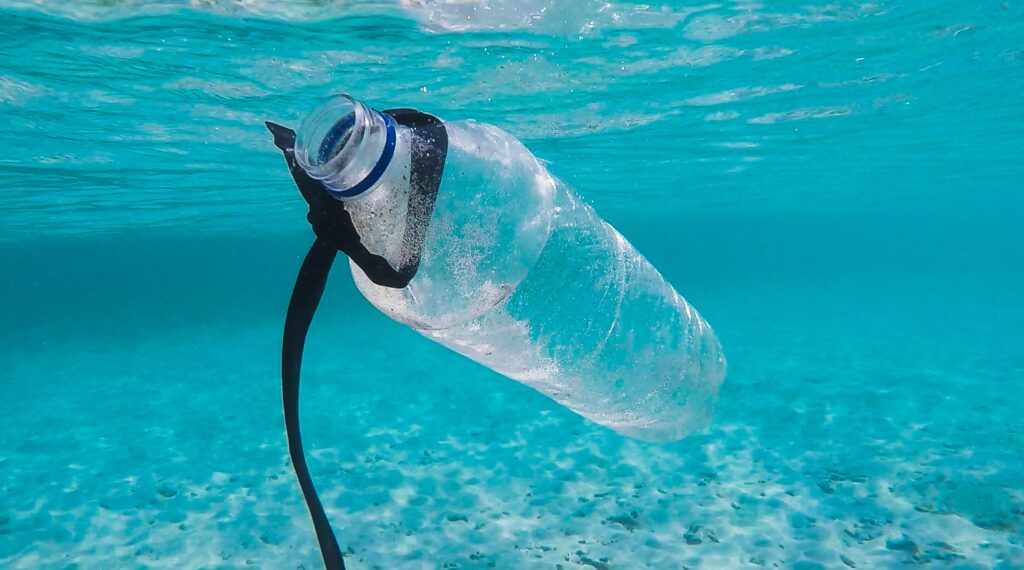
The Shoreliner is a collection system for floating plastic debris in ports, rivers and other waterways. TARGET USERS: Businesses, Industry, Government KEY CONSIDERATIONS: The Shoreliner is being developed in The Netherlands, and has launched a pilot with the Port of Rotterdam. MORE INFORMATION: https://www.tauw.com/news/news/shoreliner-voted-most-sustainable-port-project.html THE PROBLEM More and more plastic waste is ending up in our oceans and seas. The […]
River Watch

River Watch (Sungai Watch in Indonesia) is an online platform that uses GIS mapping and artificial intelligence to monitor plastic river cleanups. TARGET USERS: Businesses and Government KEY CONSIDERATIONS: Sungai Watch is deployed in tandem with floating booms that trap plastic debris in rivers for collection, processing and recycling; pilots are currently launched in Bali, Indonesia. MORE INFORMATION: https://makeachange.world/sungaiwatch […]
Source Segregation
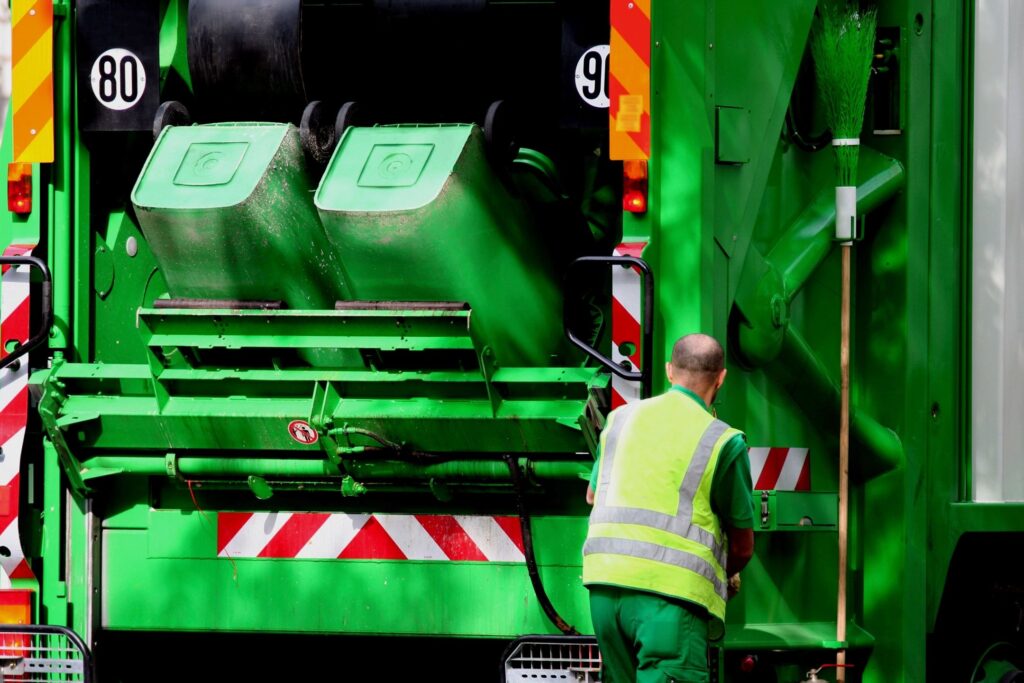
Source Segregation by regulatory instrument establishes rules that govern the quality of garbage collection at the household or institutional level, and that can mandate or incentivize waste stream separation at the source of generation. TARGET USERS: Individuals, Businesses, Industry, Government KEY CONSIDERATIONS: Source Segregation reduces the upstream sorting cost and ensures that downstream recyclers receive clean feedstock, thus […]