2030 strategy – No Plastic in Nature Initiative: Driving Systems Change in the Global Fight Against Plastic Pollution
Despite growing global awareness, the plastic pollution crisis continues to escalate. More than 30,000 tonnes of plastic leak into our oceans every day, posing increasing threats to ecosystems, economies, and human health. The WWF No Plastic in Nature 2030 Strategy sets out a comprehensive blueprint to stop environmental plastic pollution by transforming the global plastics […]
WWF | Transforming the Plastic Waste Market and Informal Worker Livelihoods in Coastal Kenya
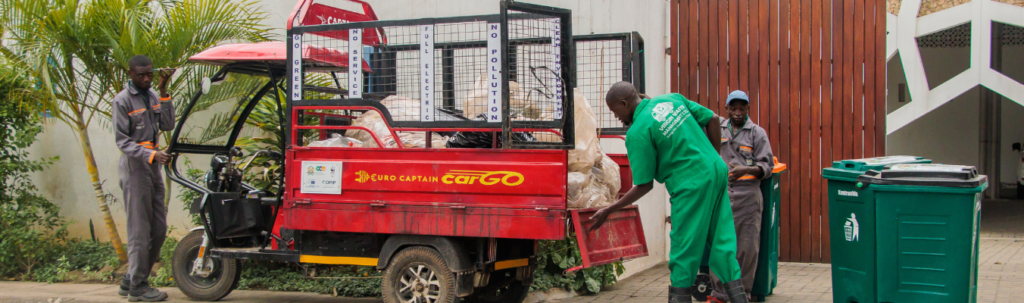
Case Study Kenya: MombasaWWF Involvement: January 2020- December 2024Focus Area: Collection/Recovery and Recycling/Enabling FrameworkPSC Approach: Collection & Separation; Sustainable FinancingSystemic Intervention: Policy Advocacy; Knowledge Strengthening; Systems & Infrastructure For more information, contact: Alex KubasuMombasa, KenyaEmail: akubasu@wwfkenya.org Key Lessons Learned Background Kenya has more than 500,000 tonnes of plastics produced per year, of which only about 15% is recycled. Inadequate solid waste management […]
Transforming the Plastic Waste Market and Informal Worker Livelihoods in Coastal Kenya
Case Study Kenya: MombasaWWF Involvement: January 2020- December 2024Focus Area: Collection/Recovery and Recycling/Enabling FrameworkPSC Approach: Collection & Separation; Sustainable FinancingSystemic Intervention: Policy Advocacy; Knowledge Strengthening; Systems & Infrastructure For more information, contact: Alex KubasuMombasa, KenyaEmail: akubasu@wwfkenya.org Key Lessons Learned Background Kenya has more than 500,000 tonnes of plastics produced per year, of which only about 15% is recycled. Inadequate solid waste management […]
Trash Treasure Tao: A Community Enterprise Piloting Reuse at Events in Koh Tao
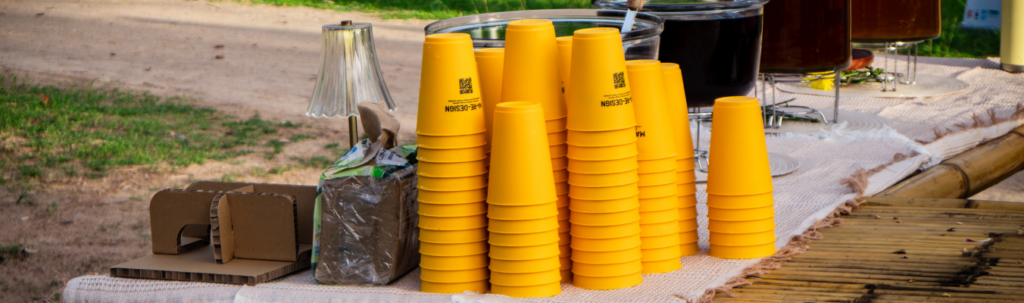
Case Study Thailand: Koh TaoWWF Involvement: July 2025 – June 2026PSC Approach: Behavioural Change; Reuse and RefillFocus Area: ReductionSystemic Intervention: City Systems & Planning For more information, contact: Mr. Sarayut Thanasotorn, President Koh Tao, Surat Thani, Thailand Email: trashtreasuretao@gmail.com https://www.trashtreasuretao.com/ Key Lessons Learned Background Koh Tao in Thailand is one of Surat Thani Province’s most important tourism destinations. As tourism and […]
WWF | Trash Treasure Tao: A Community Enterprise Piloting Reuse at Events in Koh Tao
Case Study Thailand: Koh TaoWWF Involvement: July 2025 – June 2026PSC Approach: Behavioural Change; Reuse and RefillFocus Area: ReductionSystemic Intervention: City Systems & Planning For more information, contact: Mr. Sarayut Thanasotorn, President Koh Tao, Surat Thani, Thailand Email: trashtreasuretao@gmail.com https://www.trashtreasuretao.com/ Key Lessons Learned Background Koh Tao in Thailand is one of Surat Thani Province’s most important tourism destinations. As tourism and […]
Plastic Waste Free Schools Model in Viet Nam
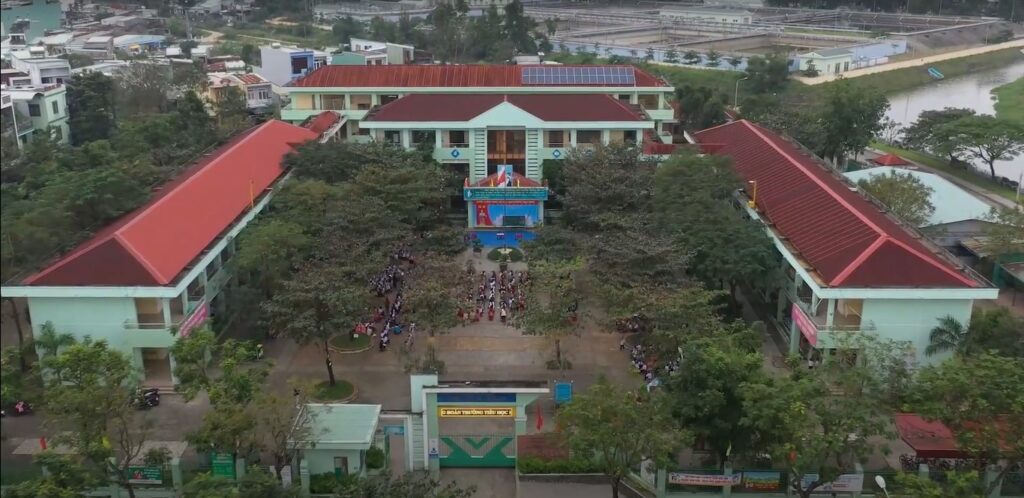
Students can become agents of behavior change towards the plastic waste problem. TARGET USERS: Educational Institution, Teacher, Student KEY CONSIDERATIONS: The exact implementation can be adapted to different school conditions and students’ attitudes towards the issue. Besides direct engagement and behaviour change aimed at students, a potential knock-on effect is that students and youths can influence their […]
Pak Meng School Cashes in on Waste

Case Study Thailand: Trang City, Trang ProvinceWWF Involvement: January 2023 to March 2025Focus Area: Reduction, CollectionPSC Approach: Behavioural Change, Community-based Waste ManagementSystemic Intervention: Knowledge Strengthening, Systems & Infrastructure Key Lessons Learned Background Pak Meng School in Trang, Thailand, piloted a holistic approach to plastic waste management from initiating educational activities for the reduction of plastic […]
Con Dao Schools Go Plastic-Free

Case Study Viet Nam: Con DaoWWF Involvement: March 2021 to May 2024Focus Area: ReductionPSC Approach: Behavioural ChangeSystemic Intervention: Policy Advocacy, Knowledge Strengthening Key Lessons Learned Background Con Dao, like many islands and coastal areas that are relatively small and remote, face unique challenges with waste management. This is due to limited recycling infrastructure and its geographic […]
Zero Waste Schools in Indonesia

Case Study Indonesia: Bogor, Depok, JakartaWWF Involvement: June 2022 to October 2024Focus Areas: ReductionPSC Approach: Behavioural ChangeSystemic Intervention: Knowledge Strengthening Key Lessons Learned Background In 2022, the PSC Zero Waste School initiative was launched by WWF-Indonesia in three pilot public schools located within the Ciliwung River Basin, which runs through Jakarta, Bogor, and Depok. The […]
ICLEI | City Practitioners Handbook: Reuse Starter Kit for Food and Beverages

Driven by changing lifestyles, increasing urbanization, and the rise of fast food, disposable packaging was marketed as hygienic, time-saving, and economically efficient. These items—plastic cutlery, expanded polystyrene (EPS), and polyethylene terephthalate (PET) bottles, symbolized progress and mobility in a society increasingly shaped by consumerism and on-the-go consumption patterns. Today, urban environments are overwhelmed by the […]